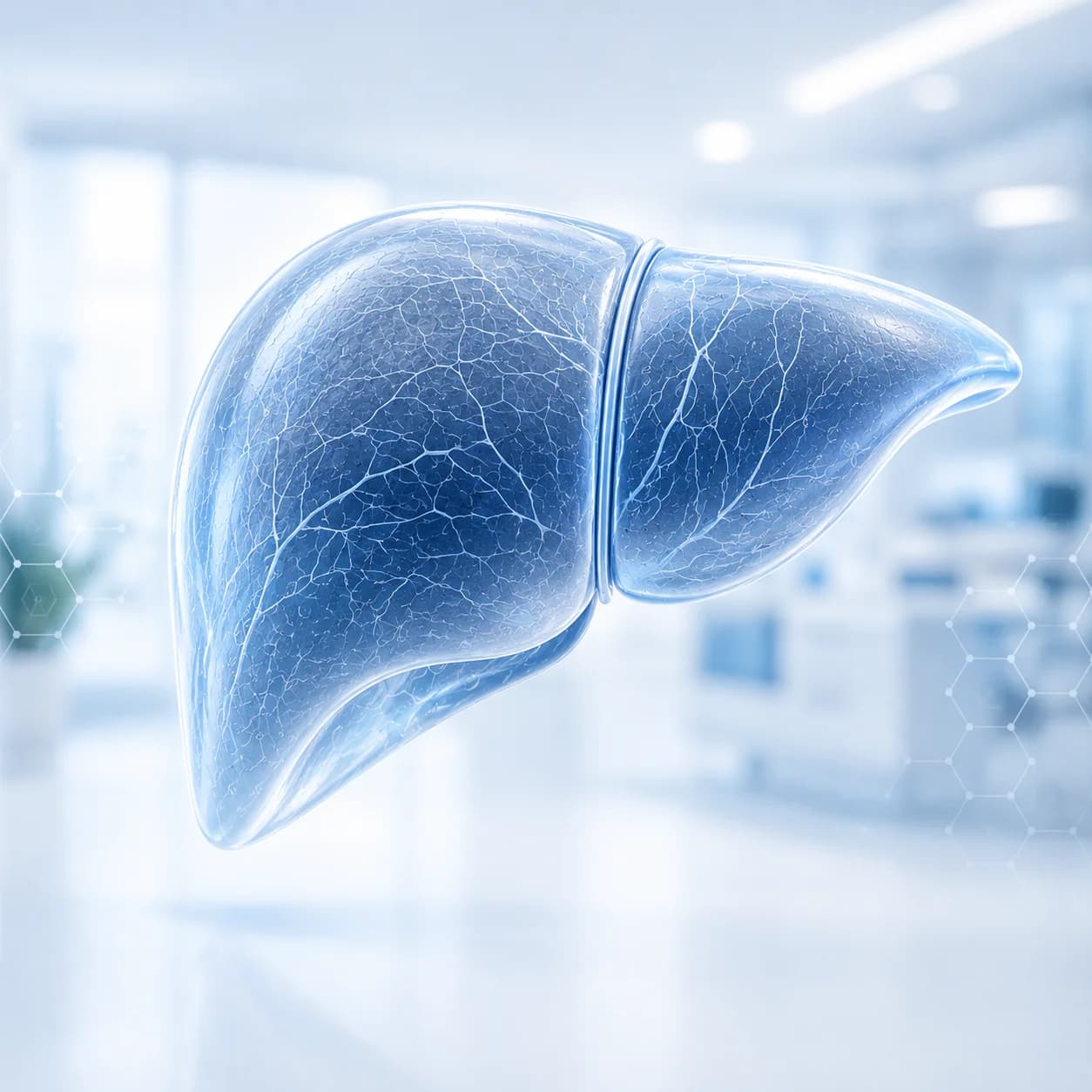
Fatty liver disease has become one of the most common liver disorders seen in India today. Many patients are diagnosed accidentally during routine ultrasound scans or health checkups, often before symptoms even appear. While early fatty liver disease may seem harmless, untreated disease can gradually progress to liver inflammation, fibrosis, cirrhosis, and liver failure.
As a gastroenterologist and liver specialist in Lucknow, I frequently evaluate patients with obesity, diabetes, acidity, bloating, abnormal liver tests, or ultrasound reports showing “fatty liver.” The encouraging fact is that fatty liver disease can often be reversed in its early stages with timely treatment and lifestyle modification.
What is Fatty Liver Disease?
Fatty liver disease occurs when excess fat accumulates inside liver cells. A small amount of fat in the liver is normal, but when fat exceeds healthy limits, liver function may gradually become affected.
The two major types include:
1. Non-Alcoholic Fatty Liver Disease (NAFLD)
NAFLD occurs in people who consume little or no alcohol. It is strongly associated with obesity, diabetes, high cholesterol, insulin resistance, and sedentary lifestyle.
2. Alcohol-Related Fatty Liver Disease
This occurs due to excessive alcohol intake and may progress to alcoholic hepatitis or cirrhosis if alcohol consumption continues.
NAFLD is now one of the leading causes of chronic liver disease globally and is increasingly common in younger adults as well.
What Causes Fatty Liver?
Several medical and lifestyle factors increase the risk of fatty liver disease:
- Obesity or increased abdominal fat
- Type 2 diabetes
- High cholesterol and triglycerides
- Sedentary lifestyle
- Excessive sugar intake
- Processed and fast foods
- Metabolic syndrome
- Alcohol consumption
- Polycystic ovarian syndrome (PCOS)
- Sleep apnea
- Certain medications
Indian patients may develop fatty liver even without severe obesity because of increased visceral fat and insulin resistance.
What are the Symptoms of Fatty Liver?
Many patients with fatty liver disease have no symptoms initially. The condition is often discovered during ultrasound abdomen or liver function testing.
When symptoms occur, they may include:
- Fatigue and low energy
- Mild discomfort in the right upper abdomen
- Bloating
- Heaviness after meals
- Unexplained weakness
- Loss of appetite
Advanced liver disease may cause:
- Jaundice
- Swelling in legs
- Abdominal fluid accumulation
- Confusion
- Gastrointestinal bleeding
Because symptoms are often mild initially, many patients ignore the condition until liver damage progresses.
Is Fatty Liver Serious?
Yes, fatty liver can become serious if left untreated.
Simple fat accumulation may remain stable in some individuals, but others develop inflammation called non-alcoholic steatohepatitis (NASH). Persistent inflammation can lead to fibrosis (scarring), cirrhosis, portal hypertension, liver failure, and increased risk of liver cancer.
Patients with diabetes, obesity, hypertension, and metabolic syndrome are at particularly high risk of progression.
This is why early evaluation by a liver specialist in Lucknow is important even if symptoms seem minor.
Grades of Fatty Liver
Fatty liver is commonly classified on ultrasound into:
Grade 1 Fatty Liver
Mild fat accumulation inside the liver.
Grade 2 Fatty Liver
Moderate fatty infiltration with more visible changes.
Grade 3 Fatty Liver
Severe fat accumulation and significant liver involvement.
However, ultrasound grading alone does not always predict fibrosis severity. Some patients with mild fatty liver may still have significant liver inflammation.
How is Fatty Liver Diagnosed?
1. Liver Function Tests (LFT)
Blood tests help detect liver inflammation and abnormal liver enzymes.
2. Ultrasound Abdomen
Ultrasound commonly identifies fatty infiltration in the liver.
3. FibroScan
FibroScan is a non-invasive test that measures liver stiffness and helps assess fibrosis or scarring.
4. Blood Sugar & Lipid Profile
Diabetes and cholesterol abnormalities are commonly associated with fatty liver disease.
5. Liver Biopsy
In selected patients, liver biopsy may be required to determine inflammation severity and fibrosis stage.
Can Fatty Liver be Reversed?
One of the most common questions patients ask is: “Can fatty liver be reversed?”
In many patients, yes — especially in early stages.
Scientific evidence shows that weight reduction, improved metabolic control, healthy diet, and physical activity can significantly reduce liver fat and inflammation.
Early intervention is critical before permanent scarring develops.
Best Treatment for Fatty Liver
There is currently no single “magic medicine” that cures fatty liver disease. Treatment focuses on addressing the underlying metabolic causes.
1. Weight Loss
Losing approximately 7–10% of body weight may significantly improve fatty liver disease.
2. Exercise
Regular physical activity improves insulin sensitivity and reduces liver fat.
3. Healthy Diet
A balanced diet low in refined carbohydrates and processed foods is essential.
4. Diabetes Control
Poor blood sugar control accelerates liver inflammation and fibrosis.
5. Cholesterol Management
High triglycerides and cholesterol should be treated appropriately.
6. Avoid Alcohol
Alcohol can worsen liver inflammation even in patients with NAFLD.
7. Regular Monitoring
Periodic follow-up helps detect fibrosis progression early.
Fatty Liver Diet: What Should You Eat?
Diet plays a major role in liver health.
Foods Helpful in Fatty Liver
- Green vegetables
- Fruits in moderation
- Whole grains
- High-fiber foods
- Lean protein
- Nuts and seeds
- Coffee in moderation
Foods to Avoid
- Sugary drinks
- Soft drinks
- Processed snacks
- Deep-fried foods
- Refined flour
- Excess sweets
- Fast food
- Alcohol
Crash dieting is not recommended because rapid weight loss may sometimes worsen liver inflammation.
Is Fatty Liver Common in Diabetic Patients?
Yes. Fatty liver disease is highly common among patients with type 2 diabetes and obesity.
Patients with diabetes have increased risk of:
- Liver fibrosis
- Cirrhosis
- Cardiovascular disease
- Liver-related complications
This is why liver evaluation is important in diabetic patients even if liver symptoms are absent.
When Should You Visit a Liver Specialist in Lucknow?
You should consult a gastroenterologist or liver specialist if:
- Your ultrasound repeatedly shows fatty liver
- Liver enzymes remain elevated
- You have diabetes with fatty liver
- You have obesity or metabolic syndrome
- You experience jaundice
- You have abdominal swelling
- You feel persistent fatigue or bloating
- You have family history of liver disease
Early medical evaluation helps prevent irreversible liver damage.
Fatty Liver Treatment in Lucknow
At Myra City Hospital, evaluation for fatty liver disease includes detailed liver assessment, metabolic risk evaluation, FibroScan when required, and individualized lifestyle guidance.
Treatment plans focus on:
- Liver protection
- Weight management
- Dietary correction
- Diabetes and cholesterol control
- Prevention of fibrosis progression
Long-term follow-up is important because fatty liver disease can recur if lifestyle risk factors persist.
Frequently Asked Questions
Can fatty liver be cured completely?
Early-stage fatty liver can often improve significantly or reverse with lifestyle modification and proper metabolic control.
Is fatty liver dangerous?
It can become serious if it progresses to inflammation, fibrosis, cirrhosis, or liver failure.
Can thin people develop fatty liver?
Yes. Even individuals with normal body weight may develop fatty liver due to insulin resistance and metabolic factors.
Does fatty liver cause pain?
Some patients experience mild discomfort or heaviness in the right upper abdomen, although many remain symptom-free.
Is fatty liver related to diabetes?
Yes. Diabetes is one of the strongest risk factors for fatty liver disease progression.
Is FibroScan necessary in fatty liver?
FibroScan helps assess liver stiffness and fibrosis and is useful in selected patients.
Which doctor treats fatty liver?
A gastroenterologist or hepatologist evaluates and treats fatty liver disease.